Does Wood Floor Installation Create a Lot of Dust?
If you are considering a wood floor installation service, you may be wondering how much dust the project will create inside your home. Hardwood floors can dramatically improve the appearance, comfort, and value of a property, but the installation process can involve cutting, sanding, fitting, and preparing materials. Naturally, these activities may produce some dust.
The good news is that modern flooring professionals have ways to control and minimize the mess. The amount of dust created depends on the type of flooring, installation method, condition of the existing floor, and whether sanding is required. Understanding what to expect can help you prepare your rooms and make the installation process less stressful. Whether you are replacing an old floor or installing hardwood in a newly constructed space, knowing how installers manage dust can help you make informed decisions about your project.
How Much Dust Does Wood Floor Installation Produce?
Wood floor installation can create some dust, but the amount varies considerably from one project to another. Installing prefinished hardwood flooring, for example, generally produces less dust than installing unfinished hardwood that must be sanded and finished inside the home.
Cutting boards to the correct length and shape can create small amounts of sawdust. If installers are removing an existing floor, additional debris may be produced depending on the material being removed and how it was attached to the subfloor.
Sanding is typically the biggest source of fine wood dust during a traditional hardwood installation. When unfinished boards are sanded after installation, the process can generate significantly more airborne particles than simply cutting and fitting prefinished flooring.
Does Sanding Hardwood Floors Create More Dust?
Yes, sanding generally creates more dust than many other stages of a hardwood flooring project. Sanding is necessary when unfinished wood floors need to be smoothed, leveled, or prepared for stain and protective finishes.
Modern sanding machines often include dust collection systems that capture a large portion of the particles produced during the process. Professional flooring contractors may connect equipment to powerful vacuum systems, helping reduce the amount of dust that becomes airborne.
However, dust control does not mean the process will be completely dust-free. Fine particles can still escape into surrounding areas, particularly when doors are opened frequently or the work area is connected to other rooms.
Does Prefinished Hardwood Flooring Create Less Dust?
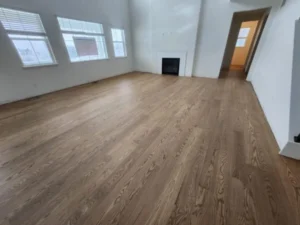
Prefinished hardwood flooring can be an excellent option for homeowners who want to minimize dust during installation. Because the boards are already sanded, stained, and sealed at the factory, installers generally do not need to perform extensive sanding and finishing inside the home.
The installation process may still involve cutting boards to fit around walls, doorways, cabinets, and other features. Those cuts can produce sawdust, but the overall amount is usually much lower than a project requiring extensive onsite sanding.
Another advantage of prefinished flooring is that the finished surface is ready to use shortly after installation. With unfinished hardwood, homeowners may need to wait while the floor is sanded, stained, and coated with protective finishes.
How Do Professional Installers Control Wood Dust?
Experienced flooring installers use several methods to keep dust under control. One of the most important steps is preparing the work area before installation begins. Furniture and fragile belongings are typically removed or protected, while doors and other openings may be covered to prevent dust from traveling.
Dust collection equipment is another important part of the process. Professional sanders and saws can often be connected to vacuum systems that collect particles directly from the source. This can significantly reduce airborne dust compared with older tools or methods without proper collection.
Installers may also use protective coverings over surfaces that need to remain clean. Depending on the layout of the home, plastic sheeting or temporary barriers can help separate the work zone from occupied areas.
Can Dust Spread to Other Rooms?
Yes, fine wood dust can travel beyond the immediate installation area if the project is not properly contained. Air movement, heating and cooling systems, open doors, and foot traffic can all contribute to dust spreading throughout a house.
This is particularly important during sanding because fine particles can remain suspended in the air and settle on nearby surfaces. Even when dust collection equipment is being used, some particles may escape.
Homeowners can help limit the spread by closing doors between the work area and other rooms. If practical, temporarily turning off HVAC circulation in the affected area may also reduce the movement of airborne particles, although homeowners should discuss this with their contractor to avoid creating ventilation or comfort issues.
Protecting nearby furniture and covering items that cannot be removed can make cleanup easier. Professional contractors should also take reasonable precautions to isolate their work area.
What About Dust From Removing Old Flooring?
Removing old flooring can create a different type of mess from installing new hardwood. Depending on the existing material, the removal process may produce dust, small pieces of flooring, adhesive residue, nails, staples, or other debris.
For example, removing an old wood floor may involve pulling boards, cutting sections, and removing fasteners. Older flooring systems can sometimes be more difficult to remove because of adhesives or multiple layers beneath the finished surface.
The condition of the subfloor also matters. Once the old material is removed, installers may need to scrape adhesive, remove damaged sections, or perform preparation work before installing the new floor.
Homeowners should ask whether removal and disposal of the existing flooring are included in their project estimate. Understanding this in advance makes it easier to plan for both the cost and the amount of disruption.
How Long Does Dust Last After Installation?
The amount of time dust remains noticeable depends on the installation method and the type of work performed. A project involving only prefinished hardwood installation may require relatively little cleanup once the boards have been installed and the work area has been vacuumed.
Projects involving onsite sanding can take longer to clean because fine particles may settle on horizontal surfaces, trim, furniture, and other nearby areas. Some homeowners notice a small amount of residual dust even after professional cleanup.
It is usually a good idea to wait until the flooring crew has completed its cleanup before performing a detailed household cleaning. Vacuuming too early can be counterproductive if additional work is still taking place.
How Can Homeowners Prepare for a Dusty Flooring Project?
Preparing your home before flooring work begins can make the experience much easier. Start by removing furniture, decorations, electronics, and other belongings from the installation area whenever possible. Items that cannot be removed should be properly covered and protected.
It is also helpful to protect pathways between the work area and exterior doors. Installers may need to move materials, tools, and equipment in and out of the house throughout the project.
Keep pets and children away from the installation area. Besides reducing their exposure to dust and debris, this helps prevent them from accidentally stepping on unfinished flooring or interfering with equipment.
You may also want to temporarily relocate valuable or sensitive items from rooms next to the work zone. Fine dust can travel farther than expected, particularly during sanding.
Is Professional Wood Floor Installation Worth the Mess?
For many homeowners, the temporary dust and disruption are a small price to pay for a professionally installed hardwood floor. Quality wood flooring can provide a timeless appearance while offering durability and long-term value when properly maintained.
Professional installation can also help prevent problems caused by improper board placement, inadequate subfloor preparation, incorrect expansion gaps, or poor finishing techniques. These issues may become expensive to correct if they are overlooked during installation.
An experienced wood floor installation service can assess the existing floor, recommend suitable materials, prepare the surface, install the boards correctly, and manage dust throughout the project.
Conclusion
Wood floor installation can create dust, but the amount depends largely on the type of flooring and work required. Prefinished hardwood generally produces less dust because extensive sanding and finishing are completed before the boards arrive. Projects involving onsite sanding or removal of old flooring can create more debris, but professional dust-collection equipment and proper containment can significantly reduce the mess.
Preparing the home, protecting nearby belongings, and discussing cleanup procedures with your contractor can also make the process easier. For homeowners in Firestone, Calabrese Hardwood Flooring can help you understand what to expect from your flooring project and how to keep disruption under control. If you are considering a new hardwood floor, call +1 720-384-8478 to discuss your installation needs and plan your project with confidence.
https://www.spreaker.com/episode/do-wood-floor-installers-remove-old-flooring–74207772
https://www.podomatic.com/podcasts/katherinelyo27podcast/episodes/2026-08-17T0
https://stream.redcircle.com/episodes/8d718e69-65a4-4ed3-aeb2-d23d1c7717b7/stream.mp3