Experience is one of the most important qualities to consider when choosing a hardwood flooring contractor. Hardwood is a natural material, and every installation can present different challenges depending on the wood species, board size, subfloor, and room layout.
An experienced installer knows how different flooring products behave and how to handle common installation challenges. They can identify potential subfloor problems, recommend suitable installation methods, and make accurate cuts around doorways, cabinets, stairs, and other features.
Experience also contributes to a better-looking floor. Consistent spacing, straight rows, clean edges, and properly fitted boards require skill and attention. Homeowners should ask about a contractor’s experience and look at examples of previous hardwood flooring projects before making a decision.
Even premium hardwood flooring can develop problems if it is installed over an improperly prepared subfloor. Before installation begins, the contractor should inspect the surface to ensure it is clean, dry, stable, and appropriately level.
Preparation may include repairing damaged areas, securing loose sections, leveling uneven surfaces, removing old flooring, or addressing moisture concerns. The exact requirements depend on the home’s construction and the flooring product being installed.
A professional contractor will not rush this stage simply to complete the project faster. Proper preparation creates a stronger foundation and can reduce the risk of movement, squeaking, uneven boards, and other problems.
When comparing contractors, ask how they inspect and prepare the subfloor. A company that takes preparation seriously is more likely to deliver dependable long-term results.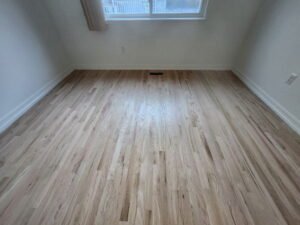
Wood naturally expands and contracts as environmental conditions change, making moisture control an important part of hardwood installation. Professional installers understand the potential effects of moisture on both the subfloor and flooring materials.
A qualified Wood Floor Installation Service should follow the manufacturer’s recommendations regarding moisture testing and acclimation. Depending on the flooring product, the materials may need time to adjust to the indoor environment before installation.
Indoor humidity can also affect hardwood after installation. Seasonal changes may cause natural movement in the wood, so homeowners should understand how to maintain suitable indoor conditions.
Ignoring moisture concerns can contribute to gaps, warping, buckling, or other flooring problems. Contractors who carefully evaluate moisture conditions demonstrate that they are focused on the long-term performance of the floor rather than simply finishing the installation.
The materials and installation method should be appropriate for the home and the selected flooring product. Hardwood is available in many species, widths, thicknesses, finishes, and construction types, and different products may require different installation techniques.
A knowledgeable contractor should understand manufacturer requirements and explain the available options to the homeowner. Depending on the product, installation may involve nails, staples, adhesives, or other approved methods.
Quality does not necessarily mean choosing the most expensive flooring. Instead, it means selecting a suitable product and installing it correctly. A professional can help homeowners balance appearance, durability, maintenance needs, and budget.
Homeowners should also receive clear information about what materials are included in the estimate. Flooring, underlayment, trim, transitions, and other necessary items should be discussed before work begins to minimize unexpected costs.
The layout of a hardwood floor has a major effect on its appearance. Professional installers carefully plan where boards will begin and how they will run through the room.
Room dimensions, natural lighting, doorways, cabinets, and transitions should all be considered. Proper planning helps create balanced board placement and reduces awkward cuts.
Small details also matter. Corners, vents, door frames, thresholds, baseboards, and transition areas require precise measurements and clean workmanship. Poorly handled edges can make an otherwise attractive floor look unfinished.
Homeowners can evaluate a contractor’s attention to detail by reviewing photographs of completed projects. Look closely at board alignment, corners, transitions, and overall consistency.
Hardwood installation requires appropriate tools, experience, and techniques. Professional installers use specialized equipment to make accurate cuts, properly secure boards, and produce clean results.
Good workmanship also involves protecting the home during installation. Contractors should take reasonable care around walls, cabinets, furniture, and other surfaces while keeping the work area organized.
A professional does not sacrifice quality simply to finish quickly. Rushed installation can lead to damaged boards, uneven edges, poor alignment, or other visible problems.
The goal should be an attractive, durable floor that meets the agreed-upon expectations. Careful workmanship from start to finish can make a significant difference in how the completed flooring looks and performs.
Good communication is another important characteristic of a dependable flooring company. Before work starts, homeowners should understand the project scope, materials, estimated timeline, and expected costs.
A detailed estimate should clearly explain the work being performed. Depending on the project, this may include flooring, preparation, installation, removal of existing materials, trim, transitions, finishing, and cleanup.
If unexpected issues are discovered, such as damaged subflooring, the contractor should explain the problem and discuss available solutions before additional work is performed whenever possible.
Homeowners should also feel comfortable asking questions. A trustworthy installer will explain recommendations clearly and avoid pressuring customers into unnecessary upgrades.
A contractor’s reputation can provide useful information about their workmanship and customer service. Online reviews are not the only factor to consider, but they can help homeowners identify patterns in previous customer experiences.
Look for reviews that specifically mention hardwood flooring installation. Comments about communication, cleanliness, punctuality, workmanship, and how the company handled concerns can be especially helpful.
Photos of completed work can also provide evidence of a contractor’s capabilities. Pay attention to details such as straight board lines, clean transitions, corners, and finishing quality.
A reputable Wood Floor Installation Service should be comfortable discussing previous projects and answering questions about its experience. Homeowners should be cautious when a contractor cannot provide clear information about their work or installation process.
The project should not be considered complete simply because the final board has been installed. A professional contractor should inspect the finished floor for visible issues and make sure transitions, trim, and other details are properly completed.
If the flooring requires on-site sanding, staining, or finishing, those processes should be performed carefully according to the product requirements. Drying and curing times should also be respected.
A final walkthrough allows homeowners to review the finished work and ask questions about cleaning and maintenance. Contractors can provide guidance on protecting the new flooring and keeping it looking its best.
Long-term support is another sign of a dependable company. Contractors who stand behind their workmanship and remain available for questions provide greater peace of mind.
Choosing a quality hardwood flooring contractor involves more than comparing prices. Homeowners should look for experience, proper subfloor preparation, moisture awareness, suitable materials, careful layout planning, professional workmanship, and clear communication. A contractor should also provide a thorough final inspection and dependable support after installation.
For homeowners in Firestone, Calabrese Hardwood Flooring can provide professional flooring solutions focused on quality workmanship and lasting results. The right installation can help protect your flooring investment while creating a comfortable and attractive space. To discuss your hardwood flooring project or learn more about available installation services, contact Calabrese Hardwood Flooring at +1 720-384-8478.
https://katherinelyo27.podbean.com/e/what-makes-a-good-hardwood-floor-installation-service/
https://www.podomatic.com/podcasts/katherinelyo27podcast/episodes/2026-09-15T08_21_09-07_00
https://stream.redcircle.com/episodes/da903d98-28c7-4d5f-b3ed-b3b09b8cf0ac/stream.mp3