Professional hardwood floor maintenance involves more than basic cleaning. Depending on the condition of the flooring, a professional may inspect the surface, remove buildup, address minor scratches, and recommend cleaning or restoration treatments.
The protective finish is an important part of hardwood flooring. It helps shield the wood from moisture, dirt, foot traffic, and everyday wear. When the finish becomes worn, the wood underneath can become more vulnerable to damage.
Professionals can determine whether your floor only needs deep cleaning or would benefit from buffing, recoating, or refinishing. Using the right method is important because different wood species and finishes require different care.
Professional maintenance can also identify problems homeowners may overlook, including gaps, loose boards, discoloration, and moisture damage. Early attention can help prevent these issues from becoming more serious.
Regular sweeping and vacuuming are essential for hardwood floors, but household cleaning primarily removes surface dirt. Dust, debris, and cleaning-product residue can still accumulate in areas that are difficult to reach.
High-traffic areas such as hallways, kitchens, and entryways may develop wear faster than bedrooms or other lightly used spaces. Over time, these areas can appear dull or show visible scratches.
Moisture is another concern. Excessive water can enter seams and potentially affect the wood beneath the finish. Using too much water or unsuitable cleaning products can also damage certain finishes.
Professional maintenance provides a deeper assessment of the flooring. If the protective finish has deteriorated, cleaning alone cannot restore it. Professional treatment may be needed to improve the appearance and protect the wood.
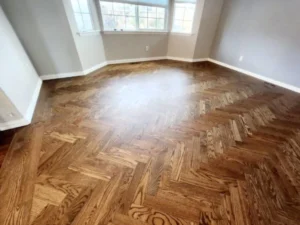
The finish on hardwood flooring creates a protective barrier against everyday damage. Foot traffic, furniture, dirt, spills, and moisture can gradually wear down this barrier.
Professional maintenance can help preserve the finish through appropriate cleaning, buffing, recoating, or other treatments. The correct service depends on how much wear the floor has experienced.
Preventive maintenance can also help reduce future repair costs. Small scratches and areas of finish wear may be easier to address before they reach the actual wood.
Professional inspections are useful as well. A flooring specialist can identify potential problems and recommend appropriate solutions before they become major concerns.
For homeowners who have recently used a Wood Floor Installation Service, following recommended maintenance practices is especially important for protecting the new flooring.
There is no universal schedule for professional hardwood floor maintenance. The appropriate timing depends on factors such as foot traffic, pets, cleaning habits, wood type, finish, and exposure to sunlight or moisture.
Visible dullness is one common sign that professional attention may be necessary. Scratches, worn pathways, stubborn residue, and inconsistent finishes can also indicate that routine cleaning is no longer enough.
Homeowners do not necessarily need to wait until flooring looks severely damaged. Preventive maintenance can address minor deterioration before it develops into a larger restoration project.
Professional evaluation can also be helpful following a water leak or other event that may have affected the flooring. A specialist can determine whether the wood or finish has suffered damage.
The best approach is to evaluate the floor based on its condition rather than relying on a fixed calendar.
Proper maintenance can help hardwood flooring last longer. Although hardwood is durable, constant foot traffic, dirt, moisture, and furniture movement can gradually affect its surface.
Maintaining the protective finish can reduce the impact of everyday wear and help keep the underlying wood protected. It can also preserve the floor’s appearance and reduce the need for frequent major restoration.
However, professional maintenance cannot prevent every type of damage. Serious water exposure, deep scratches, structural problems, or long-term neglect may require more extensive repairs.
The quality of the original installation also matters. Proper subfloor preparation, material selection, acclimation, and installation can influence how hardwood performs over time.
Homeowners planning a Wood Floor Installation Service should consider maintenance requirements before choosing their flooring. Understanding how to care for the floor from the beginning can help protect the investment.
Professional maintenance and refinishing are not the same thing. Maintenance generally focuses on preserving the existing floor, while refinishing is a more extensive process intended to restore heavily worn flooring.
Maintenance may include deep cleaning, buffing, or applying a new protective coating. These services can improve the floor without completely removing the existing finish.
Refinishing typically involves sanding the existing finish and a thin layer of wood before applying a new finish or stain. Because it removes material, refinishing should only be performed when necessary.
A professional can determine which option is appropriate based on the condition and construction of the floor. Solid hardwood and engineered hardwood may also have different refinishing limitations.
Regular maintenance can potentially delay the need for refinishing by protecting the finish and addressing minor wear early.
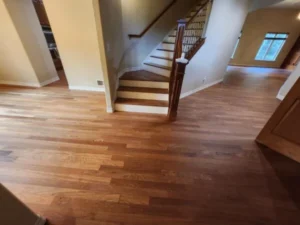
Homeowners can protect hardwood floors by following simple daily maintenance habits. Regular sweeping or vacuuming helps remove dirt and debris that can scratch the surface.
Placing mats near exterior doors can reduce the amount of dirt and moisture brought inside. Spills should also be cleaned promptly to reduce the risk of moisture-related damage.
Avoid excessive water when cleaning hardwood floors. Homeowners should use cleaning products recommended for their specific flooring and finish.
Furniture can also cause scratches. Felt pads underneath chairs and tables can reduce surface damage, while heavy furniture should never be dragged across hardwood.
Pet owners should pay attention to claws and tracked-in dirt, as both can contribute to wear. These simple steps can help preserve the results of professional maintenance.
For many homeowners, professional hardwood maintenance is a worthwhile investment. Hardwood flooring can be expensive to install, so protecting it can help preserve both its appearance and value.
Professional service is particularly useful when floors experience heavy traffic, visible wear, stubborn buildup, or finish deterioration. It can also provide peace of mind when homeowners are unsure how to care for their flooring properly.
Maintenance may also help reduce the likelihood of expensive restoration or premature replacement. Addressing minor problems early is often easier than repairing extensive damage later.
However, professional maintenance does not have to be performed constantly. Many hardwood floors can remain in excellent condition through proper household care combined with professional attention when needed.
The goal is to maintain the flooring without performing unnecessary treatments.
Professional hardwood floor maintenance can be an important part of protecting your flooring investment. While regular sweeping, vacuuming, and careful cleaning can handle everyday dirt, professional care can address worn finishes, stubborn buildup, scratches, and other issues that routine cleaning cannot resolve. Proper maintenance may also help extend the life of hardwood floors and delay the need for extensive refinishing. Homeowners should consider the flooring’s age, traffic level, finish, and overall condition when deciding when professional service is appropriate. If you are planning hardwood flooring or need assistance maintaining your existing floors, Calabrese Hardwood Flooring provides flooring solutions for homeowners in Firestone. For professional guidance about your hardwood flooring needs, call +1 720-384-8478.
https://katherinelyo27.podbean.com/e/is-professional-hardwood-floor-maintenance-necessary/
https://www.podomatic.com/podcasts/katherinelyo27podcast/episodes/2026-09-15T08_18_46-07_00
https://stream.redcircle.com/episodes/5e3afab9-18bf-4922-9e7f-9f6972c0b12e/stream.mp3