Walking into a hardwood flooring showroom can feel overwhelming. Oak, maple, hickory, walnut, cherry – each hardwood species has its champions and unique characteristics. But here's the secret: there's no universally "best" hardwood species. The right choice depends entirely on your lifestyle, aesthetic preferences, and practical needs.
Instead of simply listing wood types, let's walk through a thoughtful decision-making framework that will help you identify which species makes the most sense for your Denver home.
Start With Your Lifestyle: The Durability Question
Before you fall in love with a wood's appearance, ask yourself: What will this floor need to withstand?
Pets
Large dogs need harder wood species to resist scratches
Kids
High-traffic play areas demand durable flooring
Traffic
Entryways need more wear resistance
Lifestyle
Match the wood to your care habits
Consider Your Daily Reality
Do you have pets? Large dogs with untrimmed nails can wreak havoc on softer woods. If you have active pets, you'll want to prioritize hardness.
Do you have young children? Dropped toys, spilled juice, and high-traffic play areas mean your floor needs to be both durable and forgiving in appearance.
How much foot traffic will this floor see? An entryway or kitchen demands more durability than a formal dining room used weekly.
Are you particularly careful, or more relaxed about wear? Be honest with yourself – some homeowners love the patina that develops over time, while others want floors that stay pristine.
Understanding the Janka Hardness Scale
The Janka hardness test measures a wood's resistance to denting and wear. Here's how common species compare:
Ultra-Durable (1800+ lbf)
- Brazilian Walnut (Ipe): 3,680 lbf – Nearly indestructible but very expensive
- Hickory: 1,820 lbf – Excellent domestic option for high-traffic areas
High-Durability (1200-1800 lbf)
- Hard Maple: 1,450 lbf – Clean, consistent appearance with excellent wear resistance
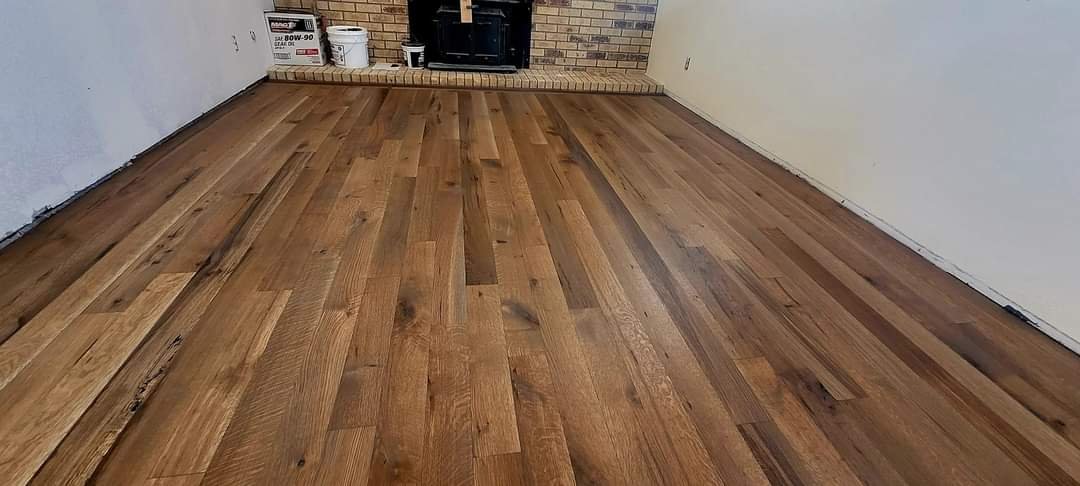
- White Oak: 1,360 lbf – Perfect balance of durability and workability
- Red Oak: 1,290 lbf – Traditional choice, slightly softer than white oak
Moderate Durability (900-1200 lbf)
- American Black Walnut: 1,010 lbf – Luxurious but requires more care
- American Cherry: 995 lbf – Beautiful aging process, needs protection from heavy wear
Lower Durability (Below 900 lbf)
- Pine: 690-870 lbf – Rustic charm but dents easily
- Best reserved for low-traffic areas or when distressing is desired
The Aesthetic Decision: What Speaks to You?
Once you've narrowed down by durability needs, it's time to explore visual preferences. Here's where it gets fun. Each hardwood flooring option brings its own unique character and beauty.
Grain Patterns: Bold or Subtle?
Dramatic, Pronounced Grain:
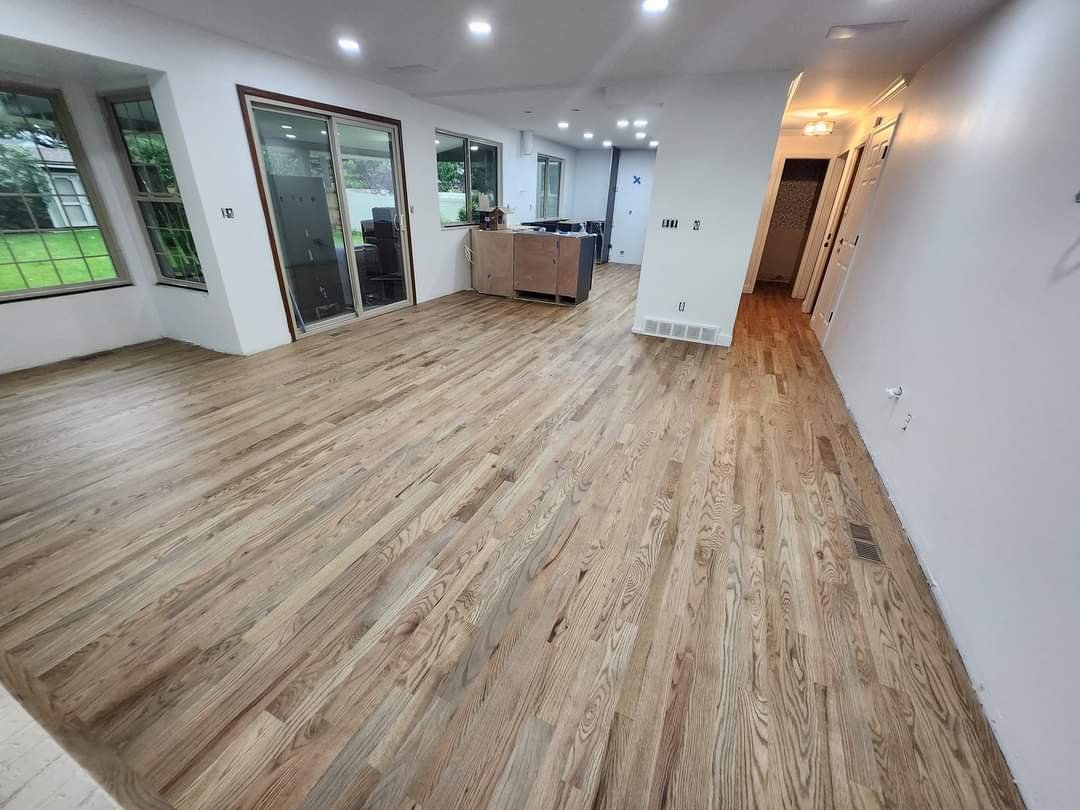
- Red Oak: Strong cathedral patterns, visible grain lines
- Ash: Bold, distinctive grain similar to oak but with more contrast
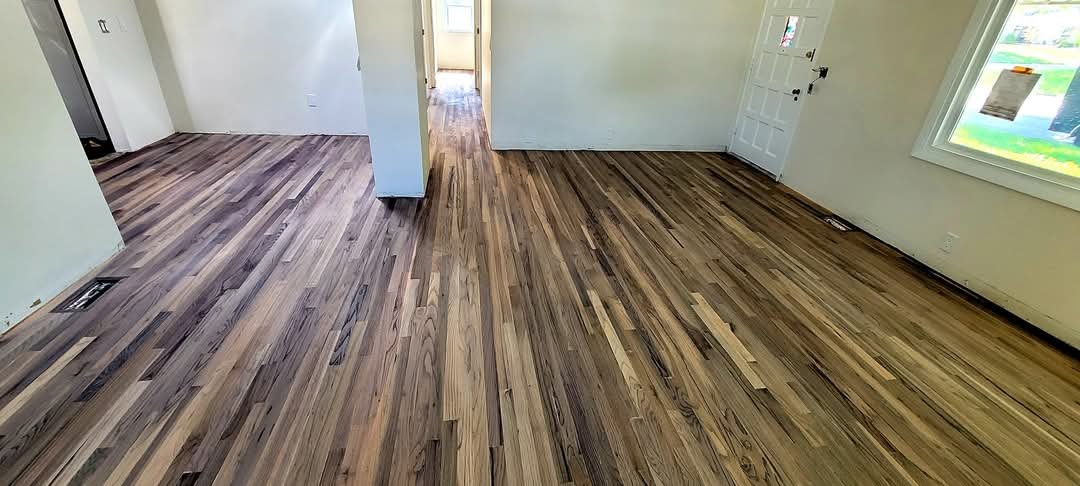
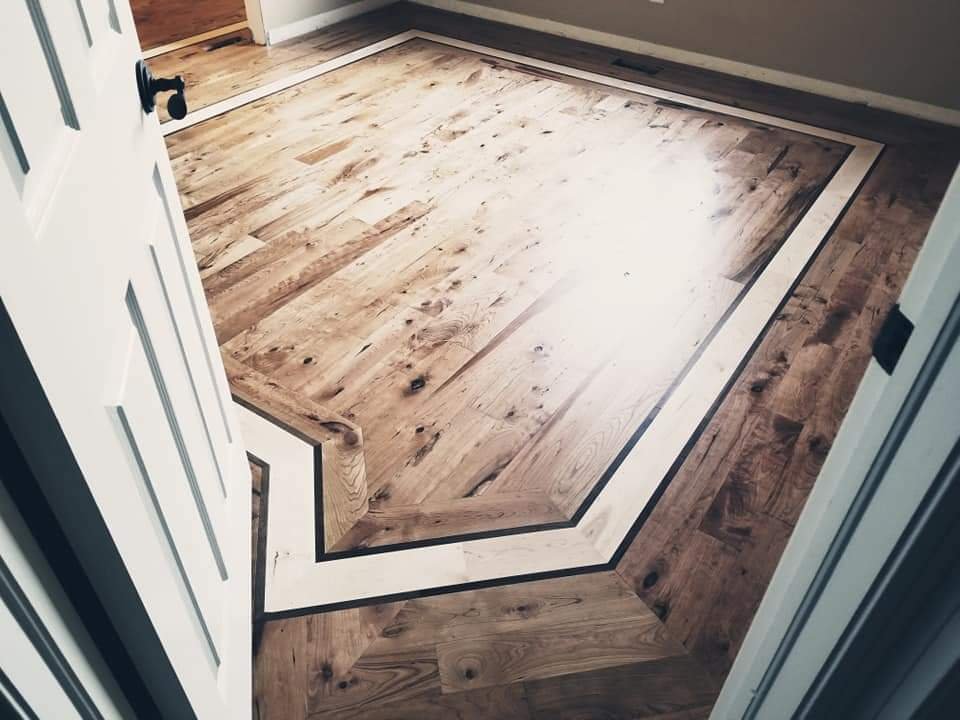
- Hickory: Wild, varied grain with significant color variation
Refined, Subtle Grain:
- Hard Maple: Smooth, consistent grain with minimal variation
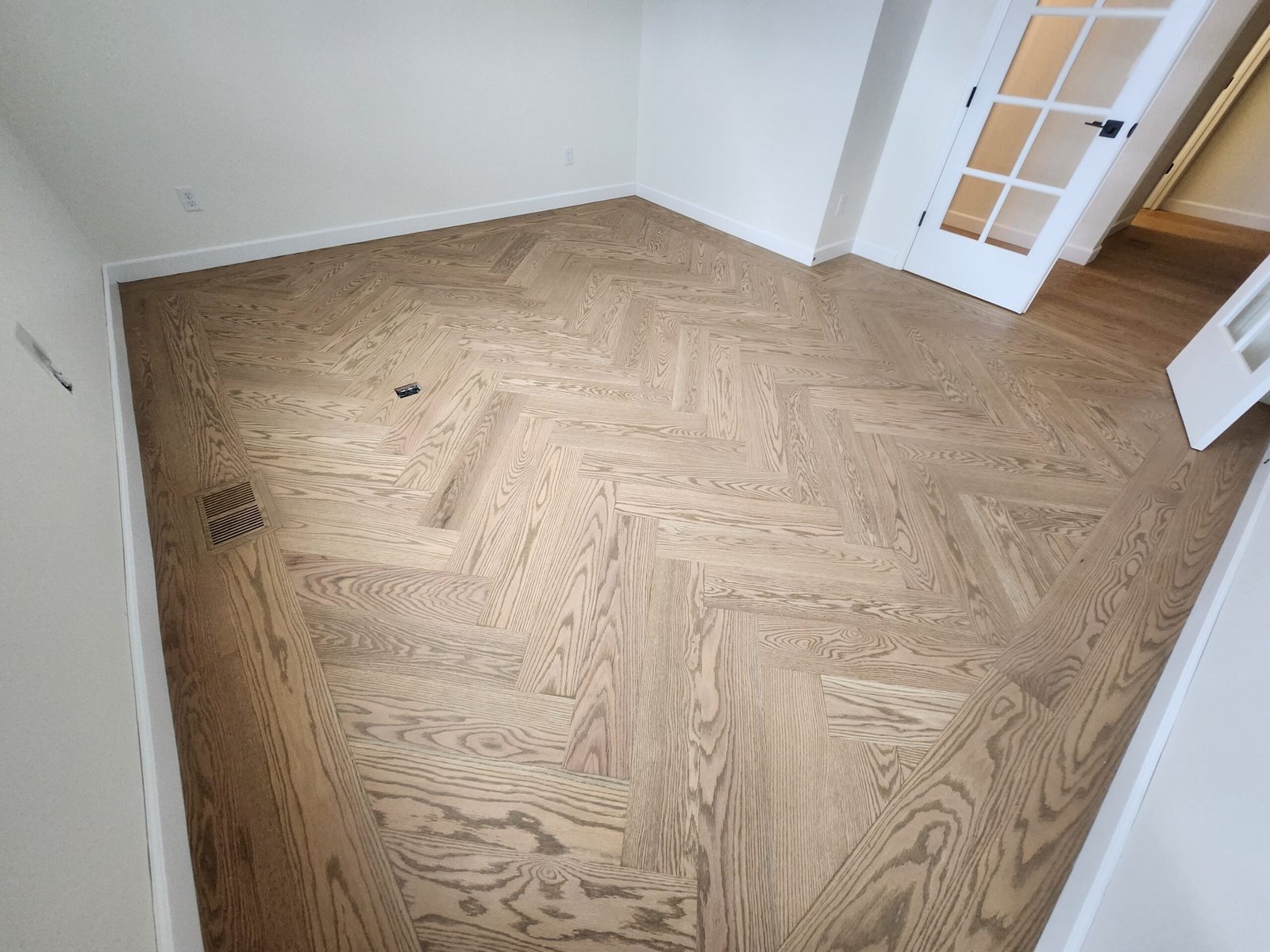
- White Oak: More subtle than red oak, sophisticated and clean
- Cherry: Fine, smooth grain that's elegant and understated
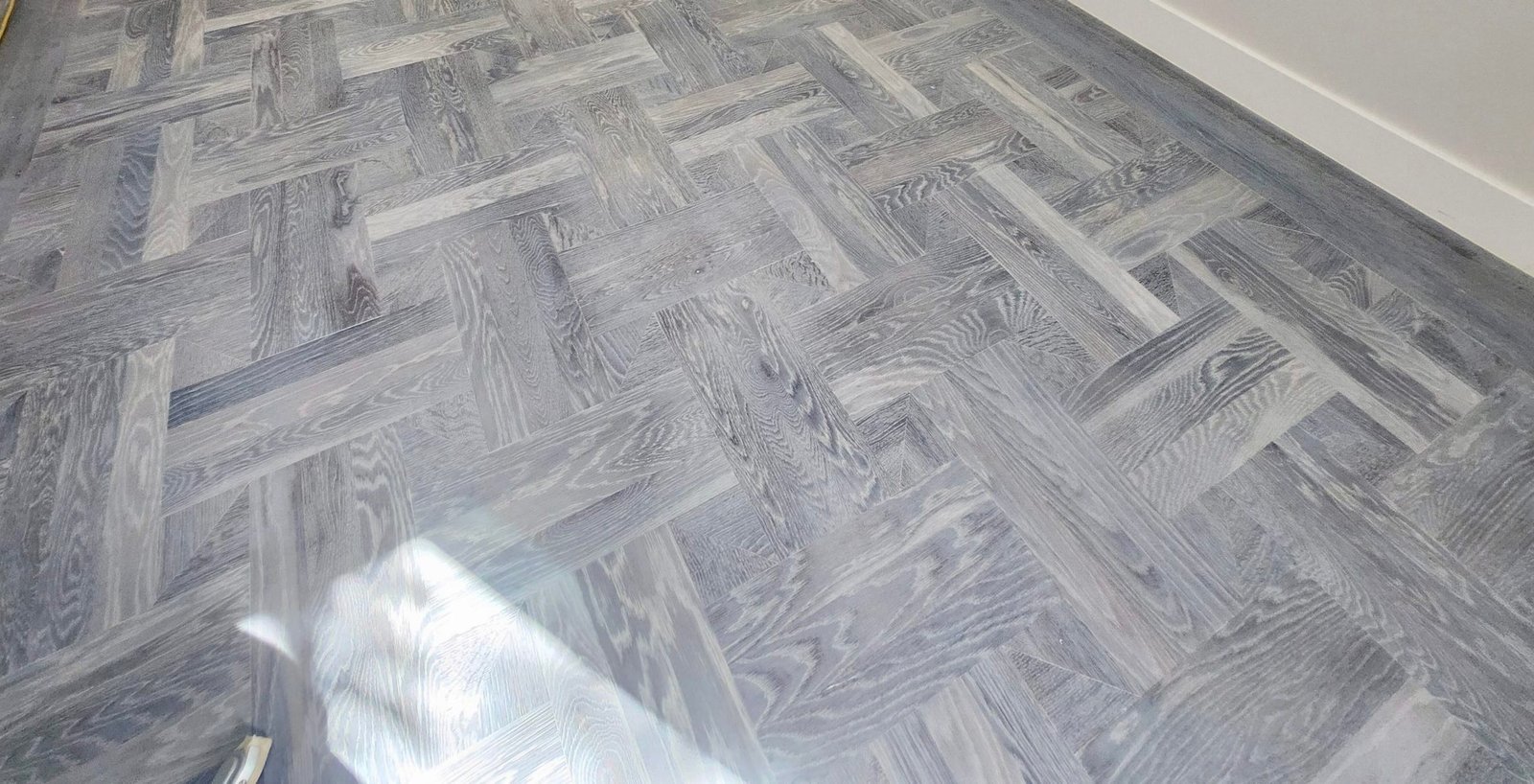
Think about your overall design style: Modern minimalism pairs beautifully with maple's consistency. Rustic or farmhouse styles embrace hickory's character. Traditional homes often showcase oak's classic grain.
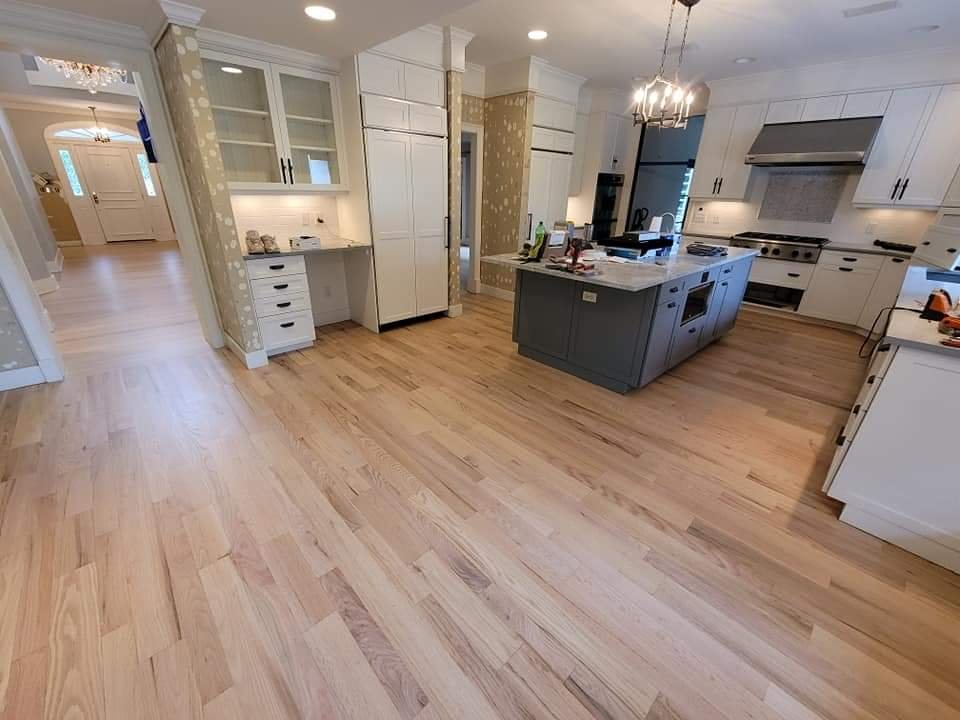
Color: Starting Point and Evolution
Remember: all wood changes color over time, especially with UV exposure.
Lighter Natural Tones:
- Hard Maple: Creamy white to light tan
- White Oak: Light brown with subtle gray undertones
- Ash: Pale cream to light brown
Medium Natural Tones:
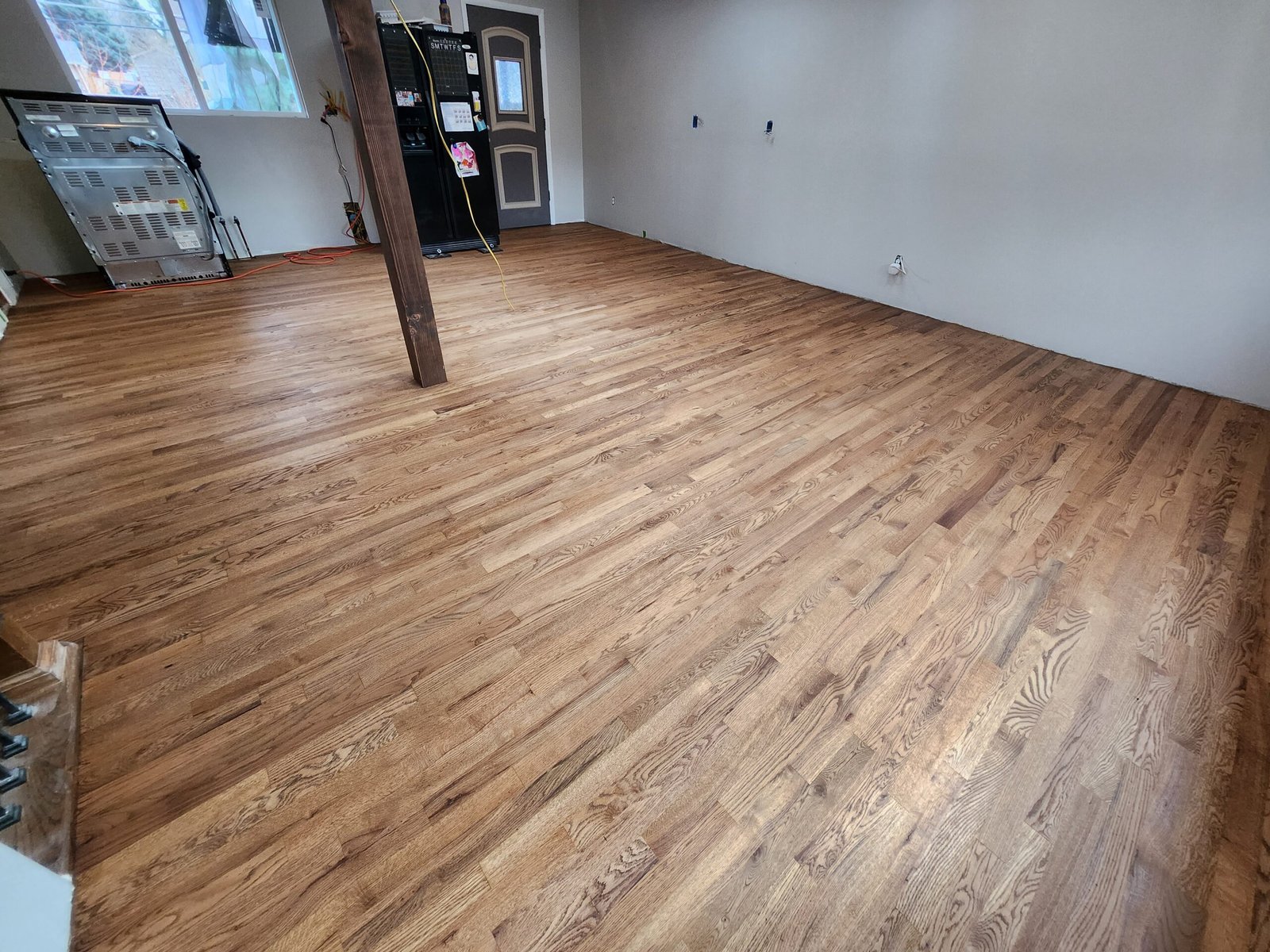
- Red Oak: Pink to reddish-brown
- Hickory: Tan to medium brown with dramatic variation
Darker Natural Tones:
- Walnut: Rich chocolate brown to deep purple-brown
- Cherry: Medium red-brown when installed, darkens to deep reddish mahogany
Consider the aging process: Cherry darkens significantly (and beautifully) over years. Maple stays relatively stable. If you love how a wood looks in the showroom, ask how UV exposure will affect it over 5-10 years.
Color Variation: Character or Consistency?
High Color Variation (Rustic Character):
- Hickory: Dramatic color shifts from cream to dark brown within single boards
- Walnut: Ranges from light tan sapwood to deep chocolate heartwood
Low Color Variation (Uniform Appearance):
- Hard Maple: Very consistent coloring throughout
- Select Grade Red Oak: Screened for color consistency
Your choice here reveals personality: Do you want a floor that tells a story with unique character in every plank? Or do you prefer the serene calm of uniform appearance?
Denver-Specific Considerations
Don't forget our unique Colorado climate challenges:
Low Humidity
Denver's dry climate requires stable wood species
Temperature Swings
Choose woods that handle seasonal changes
Moisture Control
Proper acclimation is critical at altitude
Dimensional Stability in Dry Conditions:
- White Oak: Excellent stability, better than red oak in Denver's climate
- Hickory: Very stable despite being hard
- Maple: Good stability, moves less than oak
- Cherry and Walnut: Moderate stability, require careful humidity control
Best Climate Performers: White oak and maple are particularly forgiving in Denver's dry conditions, showing less dramatic seasonal movement than some other species.
The Budget Reality Check
Let's address the elephant in the room: cost.
| Budget Category | Wood Species | Price Range (per sq ft) |
|---|---|---|
| Budget-Friendly | Red Oak, Ash | $4-8 |
| Mid-Range | White Oak, Hard Maple, Hickory | $5-10 |
| Premium | American Walnut, Cherry | $8-15 |
| Exotic/Luxury | Brazilian Cherry, Brazilian Walnut | $10-20 |
Note: These are material costs. Installation adds $3-5 per square foot depending on complexity.
Refinishing Potential: Looking Ahead
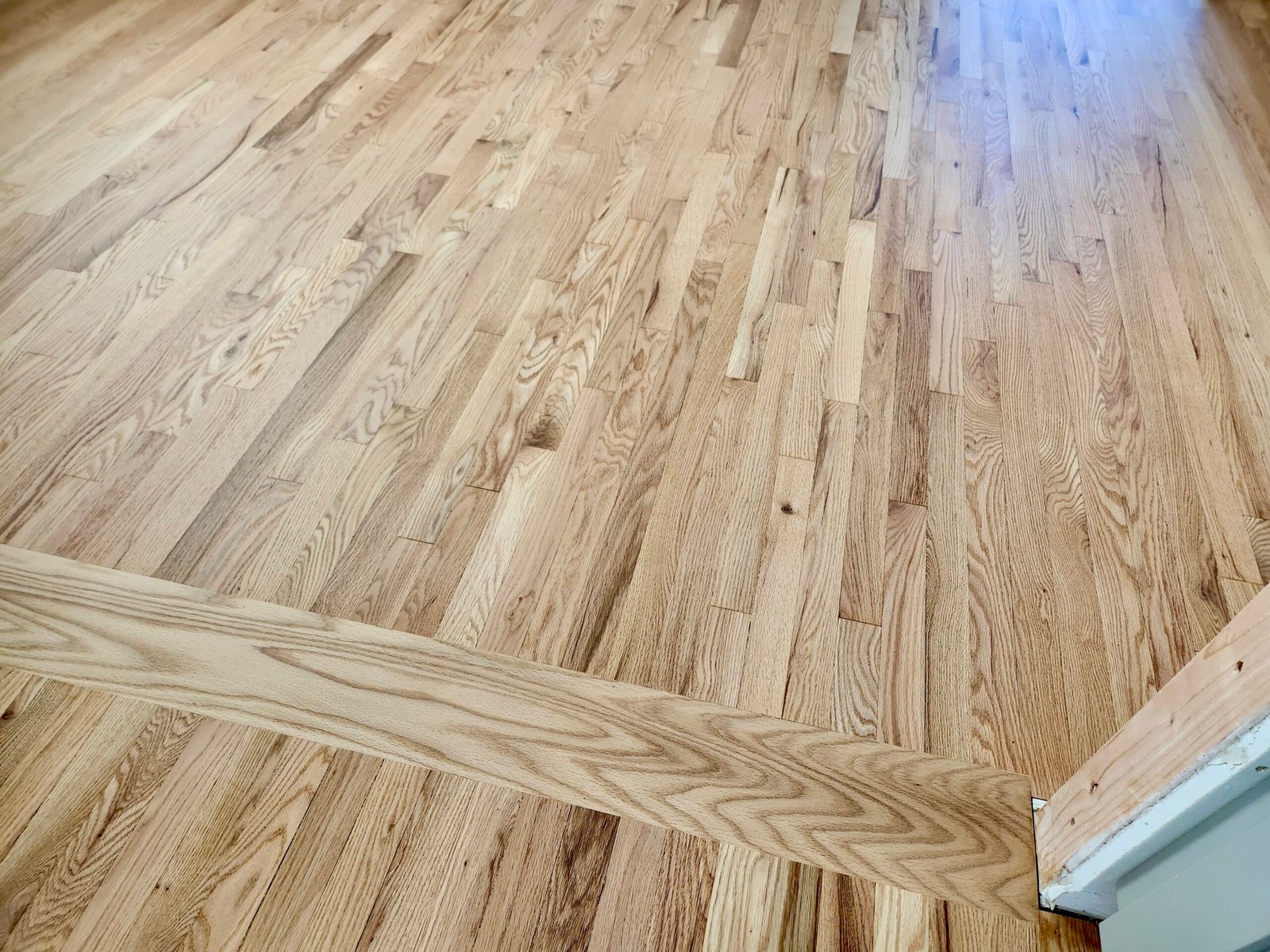
One advantage of solid hardwood is refinishability. Professional sanding and refinishing can restore your floors multiple times over their lifetime. Consider:
Excellent Refinishing Candidates:
- Oak (both red and white): Takes stain beautifully, can be refinished 5-7 times
- Maple: Can be refinished multiple times, though doesn't take dark stains as evenly
- Hickory: Very durable for multiple refinishing cycles
Refinishing Considerations:
- Walnut and Cherry: Already dark naturally, so your stain options are limited (usually kept natural or with clear coat)
- Engineered Hardwood: Limited refinishing (1-2 times maximum depending on wear layer thickness)
Making Your Decision: A Simple Framework
Let's bring it all together. Answer these questions:
High-traffic/pets/kids = Prioritize hardness (hickory, hard maple, white oak)
- Modern/minimal = Maple or white oak
- Traditional = Red oak or white oak
- Rustic/farmhouse = Hickory or reclaimed options
- Luxury/upscale = Walnut or cherry
Light? Medium? Dark? (Remember aging patterns)
Set your per-square-foot budget first
In Denver, white oak and maple offer best stability
The Calabrese Recommendation Process
At Calabrese Hardwood Flooring, we don't believe in pushing products – we believe in asking the right questions. When you visit our showroom, we'll walk through:
- Your lifestyle and traffic patterns
- Design vision and existing home aesthetics
- Budget parameters and timeline
- Denver climate considerations for your specific location
- Long-term maintenance expectations
We'll show you samples in your actual home lighting (which looks completely different than showroom lighting) and help you visualize how each species will age over time. Explore our full range of services including installation, refinishing, and custom stairs and treads.
Your Next Steps
Before Your Consultation:
- Take photos of rooms where flooring will be installed
- Note natural light exposure throughout the day
- Consider your 10-year plan (Will you refinish? Will you sell?)
- Set a realistic budget range
During Your Visit:
- Bring paint samples or photos of furniture
- Ask to see aged samples of woods you're considering
- Request samples to take home and view in your lighting
- Discuss Denver-specific installation techniques for your chosen species
Remember: The "perfect" hardwood species is the one that matches YOUR life, YOUR home, and YOUR vision. There are no wrong choices – only informed ones.
Ready to explore wood species options for your Denver home? Request a free estimate or contact us to schedule an in-home consultation. We'll help you navigate choices with honesty, expertise, and zero pressure. Visit CalabreseHardwood.com or check out our FAQ page for more information.
About Calabrese Hardwood Flooring
Serving Denver homeowners with expert guidance on hardwood selection, installation, refinishing, and maintenance. We believe in education-first consultations that help you make confident decisions about your flooring investment. Learn more about our family business and our commitment to quality craftsmanship.