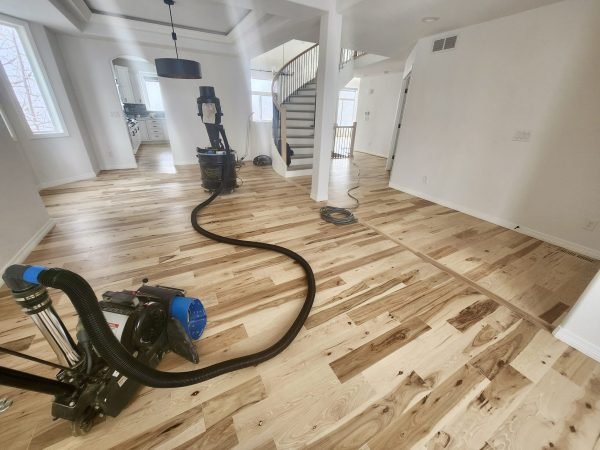
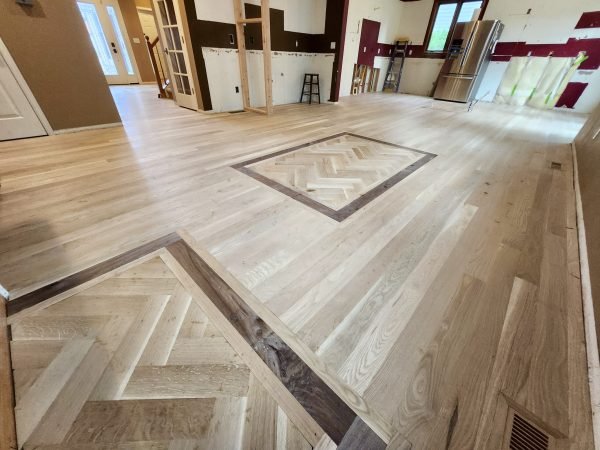
Wood floor installation is one of the most popular home improvement projects for homeowners who want to upgrade both the appearance and value of their property. Whether you are renovating an older home or finishing a new build, understanding the costs involved is essential before making a decision. Prices can vary widely depending on the type of wood, labor rates, preparation work, and the size of the area being covered.
This guide breaks down everything you need to know about pricing, materials, and installation factors so you can plan your budget with confidence. By the end, you will have a clear idea of what influences overall expenses and how to make smart choices that fit your needs and long-term goals.
Several important factors affect the total price of a flooring project. One of the biggest considerations is the type of wood you choose, as hardwood species like oak or maple typically cost more than engineered alternatives. Geographic location also plays a role, since labor rates vary from one region to another.
Another key factor is the condition of your existing subfloor. If repairs or leveling are needed, this can increase overall expenses significantly. Additionally, the complexity of the layout—such as stairs, corners, or irregular room shapes—can raise installation difficulty and labor time.
Even the finish you select, whether prefinished or site-finished, impacts the final cost. Each of these variables works together to determine your total investment, making it important to evaluate your space carefully before starting your flooring project.
The type of material you choose has a major impact on both appearance and cost. Solid hardwood is known for its durability and long lifespan, but it tends to be more expensive due to the quality of natural timber used. Engineered wood, on the other hand, offers a more budget-friendly alternative while still providing an authentic wood look.
Laminate flooring is another option that mimics real wood but comes at a lower price point. However, it does not offer the same longevity or refinishing potential as real hardwood. Each option has its own advantages depending on your budget and lifestyle needs.
When planning your project, it’s important to consider how much maintenance you are willing to perform and how long you want the flooring to last. These decisions will ultimately shape your overall investment and satisfaction with the final result.
Labor is a significant portion of any flooring project, often accounting for nearly half of the total expense. Professional installers bring expertise that ensures proper alignment, secure fitting, and a polished finish that lasts for years. Hiring skilled professionals also reduces the risk of costly mistakes.
The complexity of the job affects pricing. For example, installing flooring in a large open space is generally more affordable per square foot than working in smaller rooms with tight corners or stairs. Experienced installers may charge more, but their efficiency and precision often justify the cost.
In many cases, homeowners find that professional work results in better long-term value. While it may be tempting to cut costs with DIY methods, improper installation can lead to gaps, uneven surfaces, or premature wear.
The installation process typically begins with an assessment of the subfloor to ensure it is clean, dry, and level. Any necessary repairs are completed before materials are brought in. Once the preparation is finished, installers begin laying the boards according to the selected pattern.
During this stage, precision is critical to ensure tight seams and consistent alignment. Depending on the type of flooring, nails, glue, or floating systems may be used to secure the boards in place. After installation, finishing touches such as trimming and sealing are completed.
Understanding the process helps homeowners set realistic expectations for timelines and disruptions. A standard project may take several days depending on room size and complexity, but the results provide long-lasting beauty and durability.
Proper subfloor preparation is essential for a successful flooring project. If the base layer is uneven, damaged, or damp, it must be repaired before installation begins. This step ensures that the new flooring sits correctly and prevents future issues such as warping or squeaking.
In some cases, moisture barriers or leveling compounds are required, which can add to the overall cost. While this stage is often overlooked, it plays a critical role in extending the lifespan of your flooring.
Skipping or rushing preparation work can lead to long-term problems that are far more expensive to fix. Investing in proper preparation upfront ensures a stable foundation and helps maximize the value of your flooring project.
Room size is one of the most straightforward factors affecting total installation costs. Larger spaces require more materials and labor hours, increasing the overall budget. However, the cost per square foot may decrease slightly in bigger projects due to economies of scale.
Smaller rooms can sometimes be more expensive per square foot because of detailed cutting and fitting work. Complex layouts with multiple corners, hallways, or built-in features also increase installation time.
Accurate measurement is essential before starting any project. Even small miscalculations can lead to material shortages or overspending. Proper planning ensures smoother installation and helps avoid unexpected expenses during the process.
Beyond installation, ongoing maintenance is another important cost consideration. Regular cleaning, refinishing, and occasional repairs help maintain the appearance and durability of your floors. High-quality materials may cost more initially but often require less maintenance over time.
Scratches, fading, and moisture damage can occur if floors are not properly cared for. Using protective pads on furniture and avoiding excessive water exposure can significantly extend the life of your flooring.
Refinishing may be needed every several years depending on wear and tear. While this is an additional expense, it is still more cost-effective than replacing the entire floor. Proper maintenance ensures long-term value and preserves the beauty of your investment.
Choosing between DIY and professional installation depends on your skill level, budget, and available time. DIY projects can reduce upfront labor costs, but they require tools, precision, and experience. Mistakes during installation can lead to uneven surfaces or long-term structural issues.
Professional installers provide expertise, efficiency, and warranties that offer peace of mind. While the initial cost is higher, the quality of workmanship often results in fewer problems over time.
For many homeowners, the decision comes down to balancing short-term savings with long-term reliability. In most cases, professional installation provides better value and durability, especially for larger or more complex projects.
Understanding the costs of flooring projects helps homeowners make informed decisions that balance budget, quality, and long-term value. From materials and labor to preparation and maintenance, each factor plays an important role in the final outcome. Choosing the right approach ensures lasting beauty and performance for your home.
For professional results and reliable service in Firestone, Calabrese Hardwood Flooring is a trusted choice. With expert craftsmanship and attention to detail, they help homeowners achieve stunning results tailored to their needs. For inquiries or consultations, contact +1 720-384-8478 to get started on your next flooring project.
https://www.spreaker.com/episode/how-much-does-wood-floor-installation-cost–72990540
https://www.podomatic.com/podcasts/katherinelyo27podcast/episodes/2026-07-15T06_01_07-07_00
https://stream.redcircle.com/episodes/7f6c1f4a-ab53-4257-8de4-3c7bf696ba7d/stream.mp3