Search

How long does wood floor installation take?

Understanding wood floor installation timelines is essential for homeowners planning a renovation or new build. Whether you’re upgrading a single room or your entire home, knowing how long the process takes helps you prepare for disruptions, budget accordingly, and set realistic expectations. Installation time can vary widely depending on the type of wood flooring, the condition of your subfloor, and the size of the area being covered.

On average, a standard project may take anywhere from a few days to over a week, but each situation is unique. From preparation to finishing touches, every step plays a role in the overall schedule. In this guide, we’ll break down the key factors that influence installation time so you can better understand what to expect before starting your flooring project and avoid unnecessary delays.

Key Factors That Influence Installation Time

Several important factors determine how long a flooring project will take. One of the biggest influences is the size of the area. A small bedroom may be completed quickly, while an entire home can take significantly longer. Another major factor is the type of flooring material being installed, as some products require more detailed work than others.

The condition of the subfloor also plays a critical role. If repairs, leveling, or moisture treatment are needed, the project timeline will naturally extend. Additionally, layout complexity such as hallways, stairs, or irregular room shapes can slow progress.

In most cases, wood floor installation projects require careful planning to ensure durability and precision. Skipping steps or rushing the process can lead to long-term issues like gaps or uneven surfaces. Weather and humidity levels may also affect drying times for adhesives or finishes. Understanding these variables helps homeowners set realistic expectations and avoid frustration during the renovation process.

Room Preparation and Demolition Process

Before new flooring can be installed, the space must be properly prepared. This includes removing old flooring, furniture, and baseboards. Depending on the condition of the existing floor, demolition can take anywhere from a few hours to a full day or more.

Preparation also involves cleaning the subfloor thoroughly to remove dust, debris, or adhesive residue. Any leftover material can affect the adhesion and alignment of the new flooring. Careful preparation ensures a smoother installation process and reduces the risk of future issues.

During wood floor installation, professionals often inspect the room layout and identify potential obstacles such as uneven surfaces or tight corners. Addressing these issues early helps avoid delays later in the project. In some cases, additional tools or techniques may be required to access hard-to-reach areas.

Although preparation may seem like a simple step, it plays a vital role in ensuring a high-quality finish. Proper planning and execution at this stage set the foundation for a successful flooring project with long-lasting results.

Subfloor Condition and Necessary Repairs

The condition of the subfloor is one of the most important factors affecting project duration. A stable, clean, and level subfloor allows for faster installation, while damaged or uneven surfaces can significantly extend the timeline. Common issues include cracks, moisture damage, and uneven leveling.

If repairs are needed, they must be completed before installation begins. This may involve patching concrete, replacing damaged plywood, or applying leveling compounds. Each of these steps requires drying or curing time, which can add days to the overall schedule.

During wood floor installation, professionals carefully evaluate the subfloor to ensure it meets structural and moisture requirements. Ignoring subfloor issues can lead to long-term problems such as squeaking, warping, or separation of planks.

Proper subfloor preparation not only ensures durability but also improves the final appearance of the flooring. While repairs may seem time-consuming, they are essential for achieving a high-quality and long-lasting result.
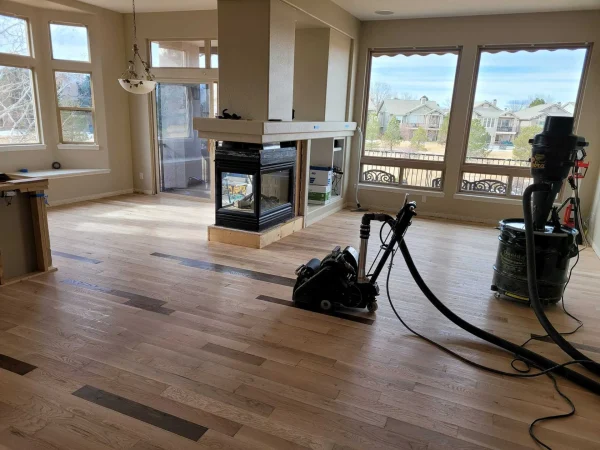
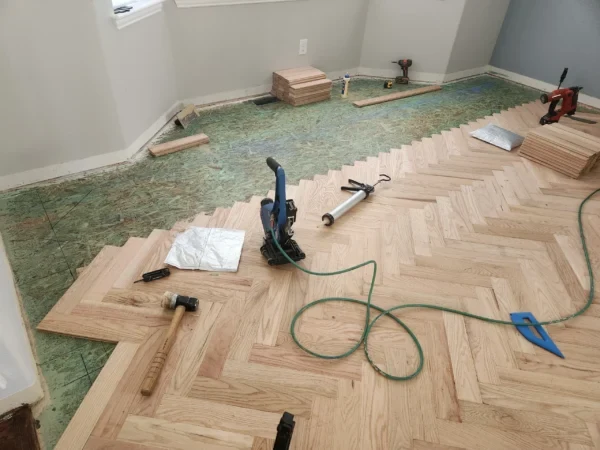
Wood floor installation

Type of Wood Flooring Selected

The type of flooring you choose has a direct impact on installation time. Solid hardwood typically takes longer to install because it requires precise fitting, nailing, and sometimes acclimation to the room’s environment. Engineered wood, on the other hand, is often faster to install due to its click-lock or floating systems.

Pre-finished flooring can also reduce project time since it eliminates the need for sanding and sealing after installation. Unfinished wood requires additional finishing steps, which can extend the overall timeline by several days.

In wood floor installation, material selection is not just about aesthetics but also efficiency. Some homeowners prioritize faster installation, while others focus on customization and traditional finishes, which take longer to complete.

Understanding the differences between flooring types helps in planning your renovation schedule more accurately. Choosing the right material based on your timeline and lifestyle needs can make a significant difference in overall project duration.

Installation Methods and Their Impact on Timing

Different installation methods also influence how long the project takes. The three most common methods are nail-down, glue-down, and floating installations. Each approach has its own level of complexity and drying requirements.

Nail-down installation is commonly used for solid hardwood and requires careful fastening to a wooden subfloor. Glue-down methods involve adhesives that need time to set properly, which can extend the timeline. Floating floors are generally the fastest option since they click together without being attached to the subfloor.

During wood floor installation, professionals select the method based on flooring type, subfloor condition, and project requirements. While floating floors may be quicker, they may not be suitable for every home or environment.

Each installation method also affects long-term performance and stability. Choosing the right technique ensures not only efficiency but also durability and comfort in the finished space.

Size and Layout of the Space

The size of the area being covered is one of the most straightforward factors affecting installation time. Larger spaces naturally require more materials and labor, extending the project duration. A single room may be completed in a day or two, while multi-room installations can take a week or more.

Layout complexity also plays a major role. Open floor plans are generally faster to work with, while spaces with multiple corners, hallways, or built-in features require more detailed cutting and fitting.

In wood floor installation, precision is key, especially in complex layouts where alignment must be carefully maintained across different sections. Installers must also account for transitions between rooms, which adds additional steps to the process.

Efficient planning and measurement help reduce delays, but the physical size and structure of the space ultimately determine how long the project will take.

Wood floor installation

Drying, Curing, and Finishing Times

After the flooring is installed, additional time may be required for adhesives, finishes, or sealants to fully cure. This stage is critical for ensuring long-term durability and performance. Depending on the materials used, curing can take anywhere from 24 hours to several days.

During this period, it is important to avoid heavy foot traffic or placing furniture on the surface. Rushing this step can compromise the quality of the installation and lead to premature wear or damage.

In wood floor installation, finishing stages are just as important as the installation itself. Sanding, staining, and sealing (if required) must be completed carefully to achieve a smooth and polished look.

Environmental factors such as humidity and temperature can also affect drying times. Proper ventilation helps speed up the process and ensures a more consistent finish across the entire floor.

Professional vs DIY Installation Timelines

Choosing between professional installation and DIY work significantly affects the overall timeline. Professionals bring experience, tools, and efficiency, often completing projects much faster than homeowners working on their own.

DIY installation may take longer due to learning curves, limited equipment, and potential mistakes that require correction. Even a simple room can extend over several weekends if challenges arise during the process.

In wood floor installation, professionals also handle unexpected issues such as subfloor repairs or layout adjustments more efficiently. Their experience allows them to anticipate and resolve problems quickly, keeping the project on schedule.

While DIY may seem cost-effective, it often requires more time and effort. For homeowners seeking faster and more reliable results, hiring experienced installers is usually the better option.

Conclusion

The time required for flooring projects depends on several factors, including material type, subfloor condition, installation method, and space size. While some projects can be completed in a few days, others may take over a week when additional preparation or finishing is needed. Understanding these variables helps homeowners plan more effectively and avoid unexpected delays.

For reliable and professional results, working with experts ensures efficiency and quality. Calabrese Hardwood Flooring in Firestone provides trusted service, helping homeowners achieve beautiful and long-lasting floors. For consultations or service inquiries, contact +1 720-384-8478.